Modern society is built around consumption. Advertising, social media, and constant product innovation encourage people to buy more, upgrade faster, and equate success with material ownership. In contrast, minimalist living offers a different philosophy—one focused on simplicity, intention, and value. Minimalist living in a consumer-driven world has emerged as a powerful response to excess, helping individuals regain control over time, finances, and mental well-being.
Rather than deprivation, minimalism is about clarity and purpose.
Understanding Minimalist Living
Minimalist living is the practice of intentionally reducing physical, mental, and emotional clutter to focus on what truly matters. It does not require owning as little as possible, but rather owning what adds genuine value.
Core principles of minimalism include:
- Intentional consumption
- Quality over quantity
- Mindful use of resources
- Alignment with personal values
Minimalism challenges the assumption that more possessions lead to greater happiness.
The Pressure of Consumer Culture
Consumer-driven societies constantly reinforce the idea that fulfillment comes from purchasing new products. Marketing strategies are designed to create urgency, desire, and fear of missing out.
Key pressures include:
- Social comparison through digital platforms
- Rapid product cycles and planned obsolescence
- Lifestyle branding tied to identity
This environment often leads to overconsumption, debt, stress, and dissatisfaction.
Why Minimalism Is Gaining Popularity
As consumer culture intensifies, more people are questioning its impact. Minimalism has gained traction as individuals seek balance, financial freedom, and mental clarity.
Drivers of minimalist living include:
- Rising cost of living
- Environmental concerns
- Digital overload and burnout
- Desire for meaningful experiences
Minimalism offers an alternative path focused on well-being rather than accumulation.
Financial Benefits of a Minimalist Lifestyle
One of the most immediate advantages of minimalism is improved financial health. By reducing unnecessary purchases, individuals can redirect money toward savings, experiences, or long-term goals.
Financial benefits include:
- Lower monthly expenses
- Reduced debt and financial stress
- Greater flexibility and security
Minimalist spending habits encourage conscious decision-making rather than impulse buying.
Minimalism and Mental Well-Being
Clutter is not only physical—it also affects mental health. Excess possessions and constant consumption can contribute to anxiety, distraction, and overwhelm.
Minimalist living supports mental well-being by:
- Creating calm, organized environments
- Reducing decision fatigue
- Encouraging mindfulness and presence
Simplifying surroundings often leads to greater emotional clarity and focus.
Environmental Impact of Minimalist Choices
Consumer-driven lifestyles place significant strain on the environment. Overproduction, waste, and resource depletion are direct consequences of excessive consumption.
Minimalist living promotes sustainability through:
- Reduced waste and energy use
- Longer product lifecycles
- Conscious purchasing decisions
By consuming less, individuals lower their environmental footprint and support more sustainable systems.
Minimalism in the Digital Age
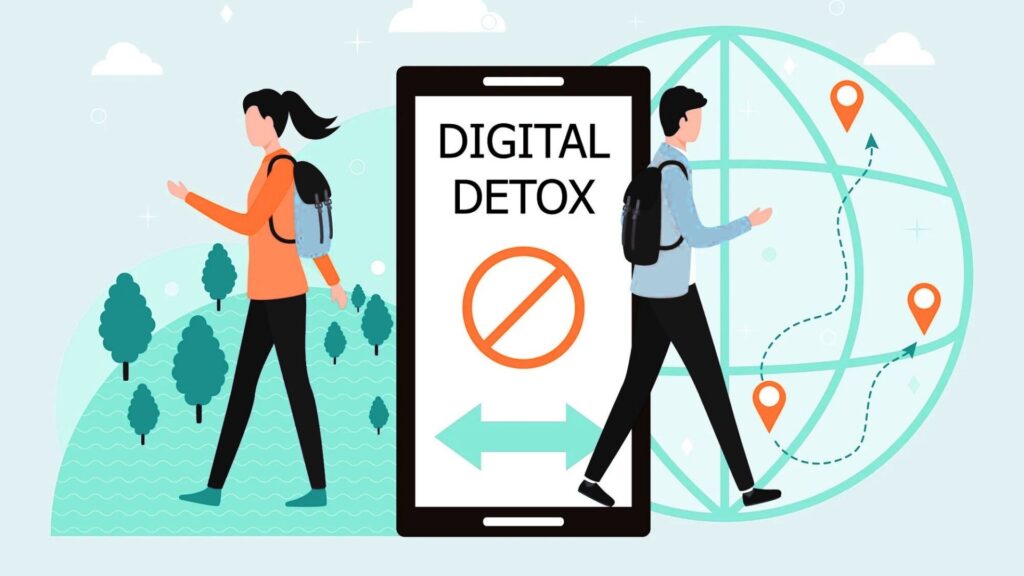
Digital consumption is just as impactful as physical consumption. Notifications, subscriptions, and constant connectivity create mental clutter.
Digital minimalism focuses on:
- Limiting unnecessary apps and screen time
- Curating information intake
- Using technology intentionally
This approach helps restore attention, productivity, and mental balance.
Social Perceptions and Challenges
Choosing minimalism in a consumer-driven world can be challenging. Social norms often equate success with visible consumption, making minimalist choices feel countercultural.
Common challenges include:
- Social pressure to conform
- Misconceptions about minimalism being restrictive
- Resistance from family or peers
Overcoming these challenges requires confidence and alignment with personal values.
Minimalism as a Long-Term Lifestyle
Minimalist living is not a one-time decluttering effort—it is an ongoing mindset. As life circumstances change, minimalist principles help individuals adapt without excess.
Long-term minimalist habits include:
- Regular evaluation of needs and priorities
- Intentional purchasing practices
- Focus on experiences over possessions
This flexibility makes minimalism sustainable over time.
Data, Awareness, and Intentional Living
Intentional living often benefits from awareness and reflection. Understanding habits, patterns, and outcomes helps individuals make better lifestyle decisions.
Analytical platforms such as Tiercé 100% gagnant support informed decision-making by helping users analyze trends, performance, and choices—reinforcing mindful approaches not only in strategy-driven environments but also in everyday life planning.
Minimalism and Personal Fulfillment
Minimalist living shifts focus away from material success toward personal fulfillment. Time, relationships, health, and purpose become priorities.
Fulfillment through minimalism often includes:
- More time for meaningful activities
- Stronger personal relationships
- Greater sense of autonomy
By removing excess, individuals create space for what truly enriches their lives.
The Future of Minimalist Living
As environmental concerns, economic uncertainty, and digital overload continue to grow, minimalist living is likely to become even more relevant.
Future trends include:
- Sustainable consumption movements
- Experience-based lifestyles
- Greater focus on intentional design and living
Minimalism offers a resilient response to the pressures of modern consumer culture.
Final Thoughts
Minimalist living in a consumer-driven world represents a conscious choice to step away from excess and toward intention. It challenges deeply ingrained assumptions about success, happiness, and identity.
By simplifying possessions, finances, and digital habits, minimalism empowers individuals to live more deliberately, sustainably, and meaningfully. In a world that constantly demands more, choosing less can be one of the most powerful decisions of all.