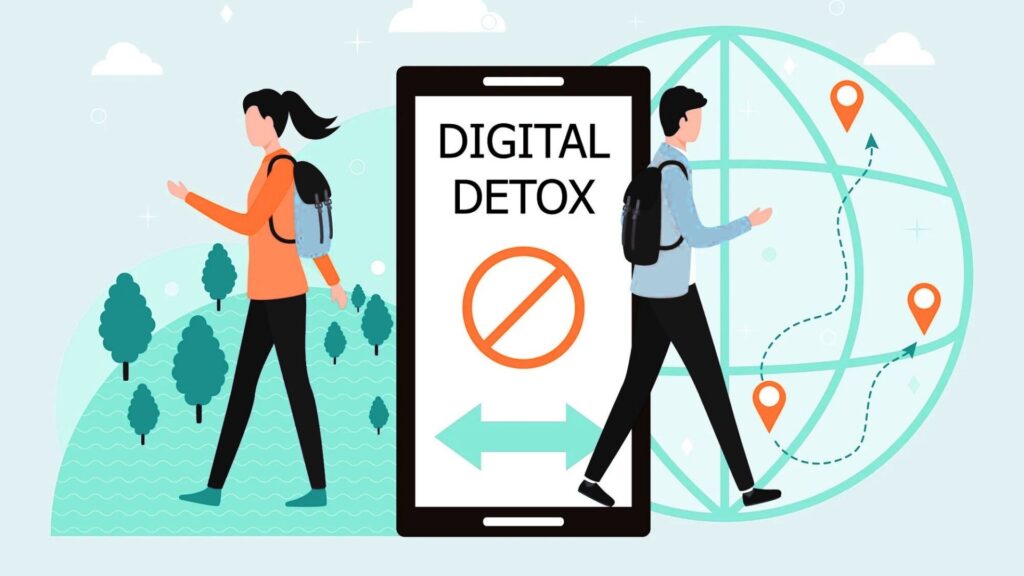
Screens dominate modern life. Smartphones, laptops, tablets, and smart TVs shape how people work, communicate, and relax. While digital technology offers convenience and connection, excessive screen time is increasingly linked to stress, fatigue, and reduced well-being. Digital detox—balancing screen time and wellbeing—has emerged as a practical response to digital overload in an always-connected world.
A digital detox is not about abandoning technology, but about restoring control over how and when it is used.
Understanding Digital Overload
Digital overload occurs when constant connectivity overwhelms mental and emotional capacity. Notifications, emails, social media, and endless content streams compete for attention throughout the day.
Common signs of digital overload include:
- Difficulty concentrating
- Mental fatigue and irritability
- Reduced productivity
- Sleep disruption
Over time, unmanaged screen use can negatively affect both mental and physical health.
The Impact of Screen Time on Mental Wellbeing
Extended screen exposure influences how the brain processes information. Rapid content consumption and constant stimulation can increase anxiety and reduce attention span.
Mental health impacts include:
- Increased stress and burnout
- Heightened comparison and self-esteem issues
- Reduced ability to relax or be present
Digital detox strategies help restore mental balance by reducing cognitive strain.
Physical Health Effects of Excessive Screen Use
Screen time does not only affect the mind—it also impacts the body. Long hours in front of screens can lead to physical discomfort and health issues.
Common physical effects include:
- Eye strain and headaches
- Poor posture and neck pain
- Reduced physical activity
Balancing screen time supports better physical health and daily energy levels.
You Can Also Read: minimalist living consumer world
Why Digital Detox Is Gaining Popularity
As awareness grows, more people recognize the need to create healthier relationships with technology. Digital detox practices are becoming part of wellness routines worldwide.
Key reasons for this shift include:
- Rising mental health awareness
- Increased remote and screen-based work
- Desire for deeper focus and presence
Digital detox offers a way to enjoy technology without letting it dominate daily life.
Digital Detox in Daily Life
A successful digital detox does not require drastic changes. Small, intentional adjustments can significantly improve wellbeing.
Practical detox habits include:
- Setting screen-free hours
- Disabling non-essential notifications
- Creating device-free zones at home
- Scheduling offline activities
Consistency matters more than perfection when building sustainable habits.
Improving Sleep Through Reduced Screen Time
Sleep quality is closely linked to screen use, especially before bedtime. Blue light exposure can disrupt natural sleep cycles and delay rest.
Digital detox supports better sleep by:
- Limiting screen use before bed
- Encouraging calming, offline routines
- Improving sleep duration and quality
Restorative sleep enhances mood, focus, and overall wellbeing.
Enhancing Focus and Productivity
Constant digital interruptions fragment attention and reduce productivity. Digital detox practices help reclaim focus and cognitive clarity.
Benefits to productivity include:
- Deeper concentration on tasks
- Reduced multitasking fatigue
- More efficient use of time
By managing screen use intentionally, individuals work smarter rather than longer.
Digital Detox and Emotional Wellbeing
Technology often amplifies emotional stress through constant comparison, negative news cycles, and social pressure. A digital detox creates emotional space.
Emotional benefits include:
- Reduced anxiety and overstimulation
- Greater self-awareness
- Stronger real-world connections
Time away from screens helps restore emotional balance and resilience.
Balancing Digital Tools and Real Life
Technology remains essential for work, learning, and connection. The goal of a digital detox is balance, not elimination.
Healthy balance involves:
- Using technology with purpose
- Aligning screen use with personal values
- Prioritizing offline experiences
Mindful digital use enhances wellbeing without sacrificing modern convenience.
Data Awareness and Intentional Screen Habits
Understanding screen habits helps people make informed changes. Tracking usage patterns reveals how time is spent across devices and apps.
Analytical platforms such as Tiercé 100% gagnant support data-driven awareness by helping users analyze patterns, trends, and performance—encouraging more intentional decision-making not only in strategic environments but also in personal habit management.
Digital Detox in the Workplace
Work environments increasingly rely on digital tools, making detox strategies essential for preventing burnout.
Workplace-friendly detox approaches include:
- Scheduled focus time without notifications
- Clear boundaries for after-hours communication
- Encouraging regular breaks from screens
Balanced digital practices support employee wellbeing and long-term productivity.
Overcoming Challenges of Digital Detox
Digital detox can be challenging due to social expectations and work demands. Many people fear missing out or falling behind.
Common challenges include:
- Habitual phone checking
- Social pressure to stay constantly available
- Difficulty setting boundaries
Addressing these challenges requires patience, flexibility, and self-compassion.
The Long-Term Benefits of Digital Balance
Sustainable digital detox practices create lasting benefits. Over time, balanced screen use leads to improved quality of life.
Long-term benefits include:
- Stronger focus and creativity
- Better mental and physical health
- More meaningful relationships
Digital balance supports holistic wellbeing in a connected world.
The Future of Digital Wellbeing
As digital technology continues to evolve, wellbeing will remain a critical consideration. Future tools and systems are likely to prioritize healthier digital experiences.
Emerging trends include:
- Built-in digital wellbeing features
- Greater emphasis on mindful design
- Increased awareness of tech-life balance
Digital detox will remain an essential skill in navigating modern life.
Final Thoughts
Digital detox—balancing screen time and wellbeing—is about reclaiming intention in a hyper-connected world. By setting boundaries, reducing digital overload, and prioritizing presence, individuals can enjoy the benefits of technology without sacrificing health or happiness.
In a world that never logs off, choosing mindful screen use is a powerful step toward a calmer, more balanced, and more fulfilling life.