Wellness has transformed from a niche lifestyle concept into a mainstream priority. Once focused primarily on physical fitness and diet, wellness today encompasses mental health, emotional balance, digital habits, sleep, and long-term sustainability. The evolution of modern wellness routines reflects changing societal values, scientific understanding, and the pressures of contemporary life.
In an increasingly fast-paced and connected world, wellness is no longer reactive—it is intentional and holistic.
From Fitness-Centered to Holistic Wellness
Traditional wellness routines emphasized exercise and nutrition as the foundation of health. While these elements remain essential, modern wellness has expanded far beyond physical conditioning.
Today’s holistic wellness includes:
- Mental and emotional well-being
- Sleep quality and recovery
- Stress management
- Social and environmental health
This broader approach recognizes that well-being is interconnected across all aspects of life.
Mental Health Takes Center Stage
One of the most significant shifts in modern wellness routines is the focus on mental health. Awareness around anxiety, burnout, and emotional resilience has increased dramatically.
Mental wellness practices now include:
- Mindfulness and meditation
- Therapy and counseling
- Breathwork and relaxation techniques
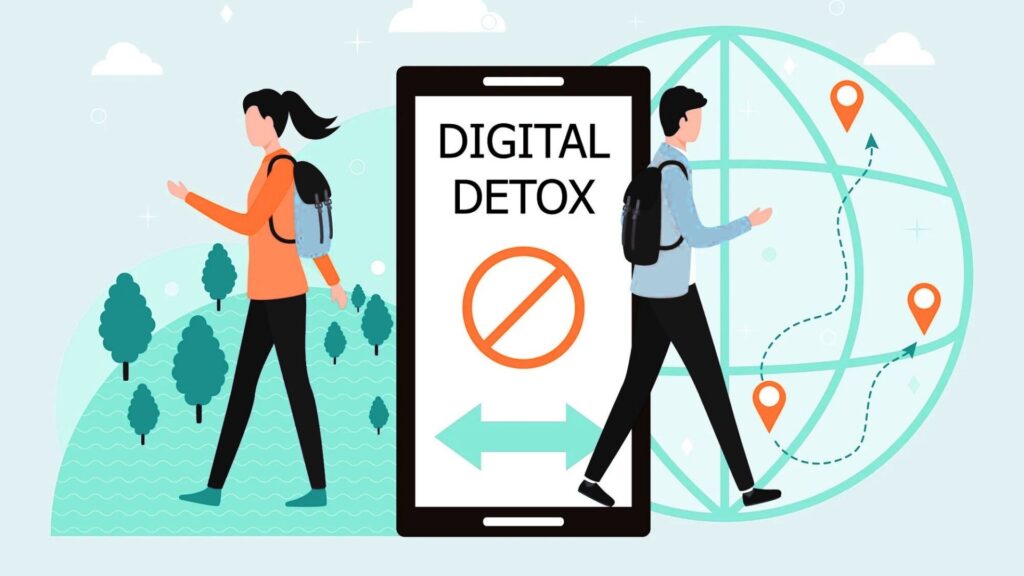
- Digital detox and boundary-setting
Mental health is no longer treated as separate from physical health—it is a core pillar of wellness.
The Rise of Personalized Wellness
Modern wellness routines are increasingly personalized. Advances in health science and technology allow individuals to tailor wellness practices to their unique needs, goals, and lifestyles.
Personalized wellness may involve:
- Customized fitness programs
- Nutrition plans based on individual needs
- Sleep optimization strategies
- Habit tracking and self-assessment
This shift moves away from one-size-fits-all solutions toward sustainable, individualized care.
Technology’s Role in Wellness Evolution
Technology has reshaped how people approach wellness. Apps, wearables, and digital platforms provide insights into physical activity, sleep patterns, and stress levels.
Technology-driven wellness includes:
- Fitness and health tracking devices
- Meditation and mental health apps
- Virtual wellness coaching
- Online wellness communities
When used mindfully, technology empowers individuals to make informed health decisions.
You Can Also Read: sustainable fashion conscious consumers
Wellness Beyond the Gym
Modern wellness routines extend into daily habits and environments. Movement is no longer confined to the gym, and health is integrated into everyday life.
Examples include:
- Walking meetings and active commuting
- Ergonomic home and workspaces
- Stretching and mobility routines
- Incorporating nature into daily activities
This integration supports consistency and long-term adherence to wellness habits.
Sleep and Recovery as Wellness Priorities
Sleep was once undervalued in wellness culture. Today, it is recognized as foundational to physical performance, mental clarity, and emotional balance.
Modern recovery-focused practices include:
- Consistent sleep schedules
- Evening wind-down routines
- Limiting screen exposure before bed
- Active recovery and rest days
Prioritizing recovery helps prevent burnout and supports longevity.
Nutrition Shifts Toward Balance and Sustainability
Modern wellness routines emphasize balanced, sustainable nutrition rather than restrictive diets. There is growing awareness of how food impacts both personal health and the environment.
Key nutrition trends include:
- Whole and minimally processed foods
- Mindful eating practices
- Plant-forward and sustainable diets
- Long-term nutritional balance
Wellness nutrition focuses on nourishment rather than perfection.
Social Connection and Emotional Wellbeing
Human connection plays a critical role in overall wellness. Modern routines increasingly acknowledge the importance of relationships and community.
Social wellness includes:
- Meaningful interpersonal connections
- Supportive environments
- Shared activities and experiences
Strong social bonds enhance emotional resilience and overall life satisfaction.
Data Awareness and Intentional Wellness Choices
As wellness becomes more complex, data awareness helps individuals understand what works best for them. Tracking habits, patterns, and outcomes supports informed decision-making.
Analytical platforms such as Le trio du Quinté support insight-driven analysis by helping users evaluate trends, performance, and strategic outcomes—principles that align closely with intentional wellness planning and long-term habit optimization.
The Influence of Lifestyle and Work Culture
Modern wellness routines are shaped by changing work environments and lifestyles. Remote work, flexible schedules, and blurred boundaries have increased the need for structured wellness habits.
Wellness adaptations include:
- Setting work-life boundaries
- Scheduling movement and breaks
- Managing digital workload
Workplace wellness is now viewed as essential to productivity and employee satisfaction.
Challenges in Maintaining Modern Wellness
Despite increased awareness, maintaining wellness routines can be challenging. Time constraints, information overload, and unrealistic expectations often interfere with consistency.
Common challenges include:
- Burnout from over-optimization
- Conflicting wellness advice
- Lack of balance or flexibility
Sustainable wellness focuses on progress, not perfection.
The Future of Wellness Routines
The evolution of modern wellness routines will continue as science, technology, and culture advance. The future points toward deeper personalization and integration.
Emerging trends include:
- AI-driven wellness recommendations
- Preventive and longevity-focused care
- Greater emphasis on mental resilience
- Holistic integration of lifestyle and health
Wellness will increasingly be seen as a lifelong practice rather than a short-term goal.
Final Thoughts
The evolution of modern wellness routines reflects a shift toward balance, awareness, and intentional living. By integrating physical health, mental well-being, recovery, nutrition, and lifestyle habits, modern wellness offers a more sustainable and meaningful approach to health.
In a demanding world, wellness is no longer about doing more—it is about doing what truly supports long-term well-being, resilience, and quality of life.