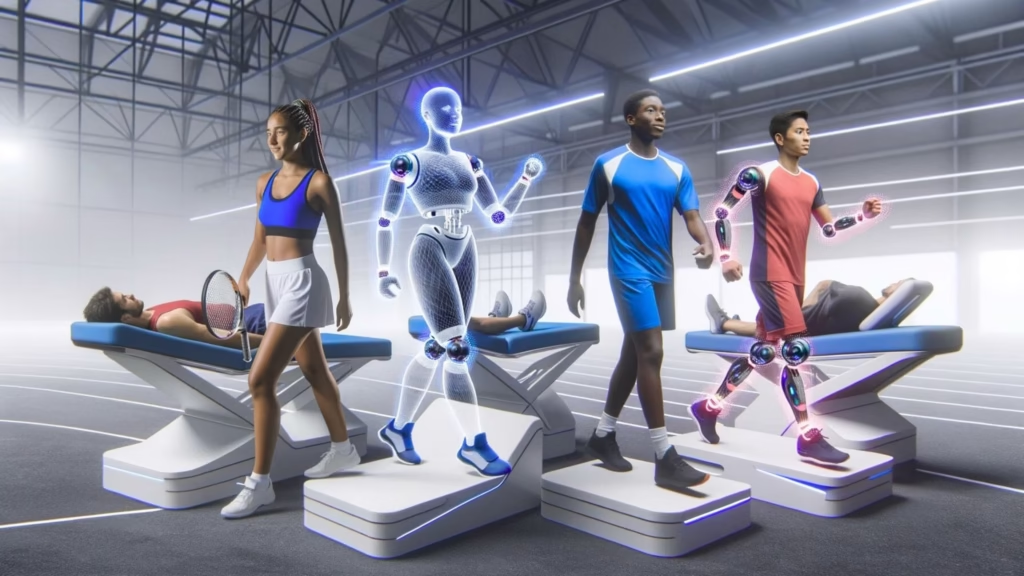
Modern coaching has undergone a profound transformation driven by artificial intelligence (AI) and data analytics. What was once guided primarily by experience, intuition, and observation is now supported by real-time data, predictive models, and advanced performance insights. The impact of AI and analytics on modern coaching is reshaping how coaches plan training, manage athletes, and make strategic decisions across all levels of sport.
This shift is not replacing human expertise—it is enhancing it.
The Evolution From Traditional to Data-Driven Coaching
Historically, coaching relied heavily on personal judgment, visual assessment, and manual record-keeping. While experience remains invaluable, modern sports demand greater precision and consistency.
AI and analytics enable coaches to:
- Measure performance objectively
- Identify patterns invisible to the human eye
- Make evidence-based decisions
This evolution has created a new coaching paradigm where data complements intuition.
Performance Tracking and Real-Time Insights
One of the most visible impacts of AI and analytics is real-time performance tracking. Wearable devices, sensors, and video analysis systems collect vast amounts of data during training and competition.
Key metrics tracked include:
- Speed, acceleration, and distance covered
- Heart rate and workload intensity
- Movement efficiency and biomechanics
AI processes this data instantly, allowing coaches to adjust sessions on the fly and optimize performance outcomes.
Personalized Training Programs
Modern coaching increasingly emphasizes individualized development. AI-driven analytics allow coaches to tailor training programs to each athlete’s physical condition, skill level, and recovery needs.
Personalized coaching benefits include:
- Targeted skill improvement
- Reduced risk of overtraining
- Faster performance gains
By understanding how each athlete responds to training, coaches can maximize potential while minimizing injury risk.
Injury Prevention and Load Management
Injury prevention is one of the most valuable applications of analytics in coaching. AI models analyze workload, fatigue levels, and historical injury data to identify risk factors before injuries occur.
Coaches use analytics to:
- Monitor cumulative training load
- Adjust intensity based on recovery data
- Schedule rest and rehabilitation more effectively
This proactive approach improves athlete availability and long-term performance consistency.
Tactical Planning and Game Strategy
AI and analytics have revolutionized tactical decision-making. Coaches now analyze opponents, formations, and in-game trends using advanced data models.
Tactical advantages include:
- Detailed opponent scouting
- Scenario-based strategy planning
- Data-supported substitutions and adjustments
AI helps coaches move beyond reactive decisions toward predictive and strategic game management.
Video Analysis and Skill Development
AI-powered video analysis tools break down performance frame by frame, identifying strengths, weaknesses, and technical inefficiencies.
These tools allow coaches to:
- Provide visual, objective feedback
- Compare athlete performance over time
- Accelerate skill acquisition
Athletes gain clearer understanding of what needs improvement, making coaching feedback more effective.
Mental Performance and Decision Analytics
Modern coaching increasingly recognizes the importance of mental performance. AI analytics now assess decision-making speed, reaction time, and focus under pressure.
Mental performance insights help coaches:
- Improve cognitive readiness
- Manage stress and performance anxiety
- Enhance situational awareness
This holistic approach ensures athletes are prepared both physically and mentally.
Data-Driven Coaching Platforms
Managing large volumes of performance data requires structured platforms that translate numbers into actionable insights. Coaches rely on analytics dashboards to track progress and inform decisions.
Strategic tools such as Le trio du Quinté support modern coaching by offering data-driven analysis, performance insights, and trend evaluation that help coaches and teams make smarter, more informed decisions.
Challenges of AI-Driven Coaching
Despite its benefits, AI-driven coaching presents challenges. Overreliance on data can limit creativity, while poor data quality can lead to misleading conclusions.
Key challenges include:
- Interpreting data correctly
- Balancing analytics with human judgment
- Ensuring athlete data privacy
Successful coaches use AI as a support tool, not a replacement for leadership and experience.
Accessibility Beyond Elite Sports
AI and analytics are no longer limited to elite professional teams. Advances in technology have made these tools more accessible to amateur, youth, and grassroots coaching environments.
Benefits of broader adoption include:
- Improved talent development pathways
- More consistent coaching standards
- Increased fairness in athlete evaluation
This democratization of analytics is raising the overall quality of coaching worldwide.
The Future of Coaching in the AI Era
The impact of AI and analytics on modern coaching will continue to grow as technology evolves. Future systems will offer deeper predictive capabilities and seamless integration across performance domains.
Emerging trends include:
- AI-driven coaching assistants
- Real-time tactical simulations
- Integrated physical and mental performance analytics
The future coach will be both a strategist and a data interpreter.
Final Thoughts
The impact of AI and analytics on modern coaching marks one of the most significant shifts in sports performance history. By combining data-driven insights with human expertise, coaches can unlock higher levels of performance, consistency, and athlete well-being.
As technology continues to advance, the most successful coaches will be those who embrace innovation while preserving the human connection at the heart of coaching excellence.