As digital systems demand faster responses and greater reliability, traditional cloud computing models are reaching their limits. Edge computing has emerged as a transformative solution, bringing data processing closer to where data is generated. Understanding how edge computing is reshaping real-time applications reveals why industries increasingly rely on decentralized computing to meet performance, latency, and security requirements.
From autonomous vehicles to smart factories, edge computing is redefining what real-time truly means.
What Is Edge Computing?
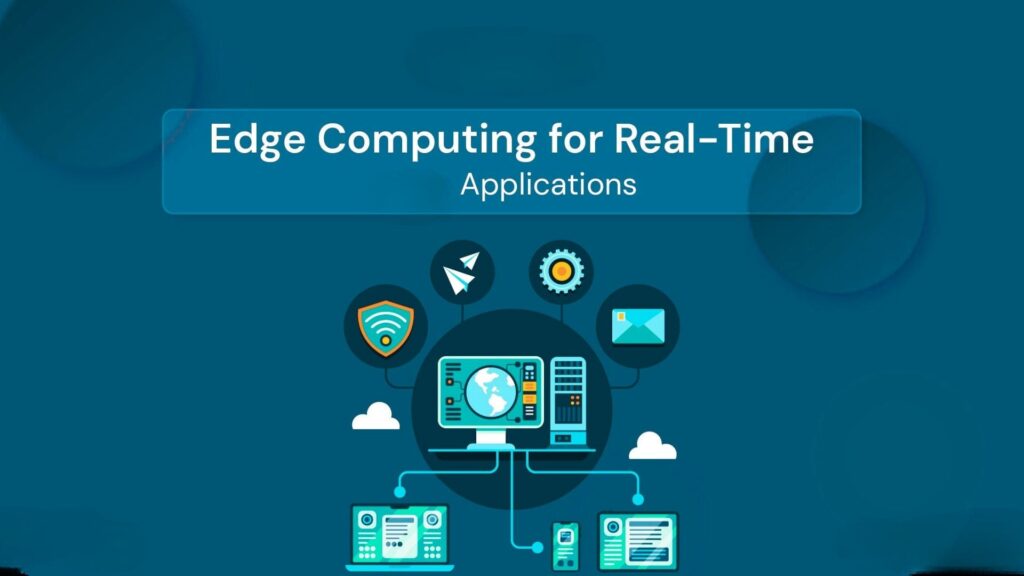
Edge computing is a distributed computing model that processes data near the source rather than relying solely on centralized cloud servers. Instead of sending data across long distances, edge systems analyze and act on information locally.
Core characteristics of edge computing include:
- Reduced data transmission distance
- Faster processing and response times
- Lower bandwidth consumption
- Increased system resilience
These features make edge computing ideal for time-sensitive applications.
Why Real-Time Applications Need Edge Computing
Real-time applications require instant data processing and immediate action. Even minor delays can lead to performance degradation, safety risks, or poor user experience.
Edge computing addresses these challenges by:
- Minimizing latency
- Enabling faster decision-making
- Ensuring consistent performance during connectivity issues
As real-time demands grow, centralized architectures struggle to keep pace.
Low Latency and Instant Responsiveness
Latency is one of the biggest barriers in real-time systems. Edge computing significantly reduces latency by eliminating the need to send data to distant cloud servers.
Applications that benefit from ultra-low latency include:
- Autonomous and connected vehicles
- Augmented and virtual reality
- Industrial automation systems
- Real-time gaming and streaming
By processing data locally, edge computing enables immediate responses critical to these use cases.
Edge Computing in IoT and Smart Environments
The Internet of Things (IoT) generates massive volumes of data from sensors, devices, and machines. Processing this data centrally is inefficient and often impractical.
Edge computing supports IoT by:
- Filtering and analyzing data locally
- Reducing unnecessary cloud traffic
- Enabling faster device coordination
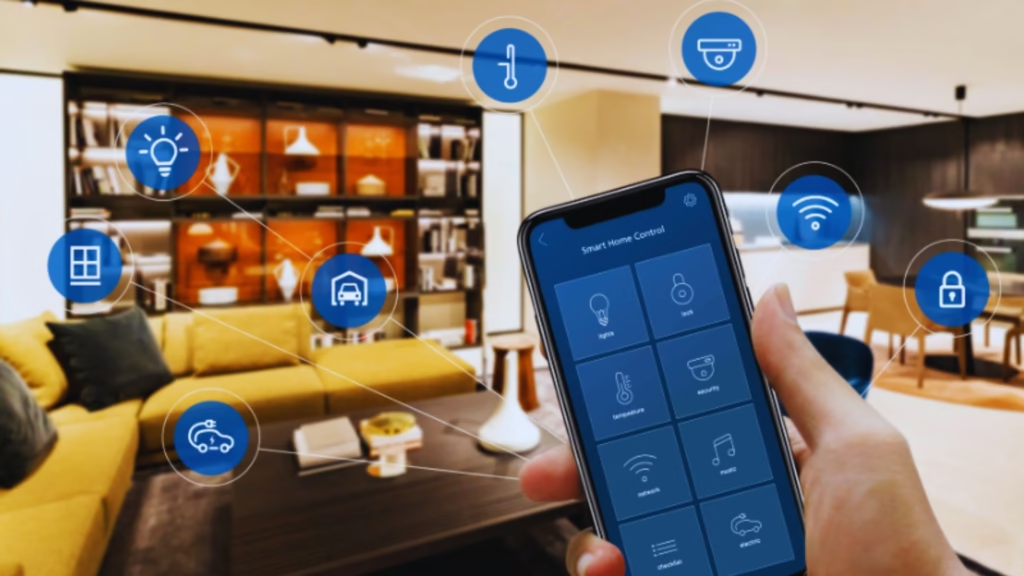
Smart cities, smart homes, and industrial IoT ecosystems rely heavily on edge architectures to function in real time.
Enhancing Reliability and System Resilience
Real-time applications cannot afford downtime. Edge computing improves reliability by allowing systems to operate independently of constant cloud connectivity.
Key resilience benefits include:
- Continued operation during network outages
- Reduced dependency on centralized infrastructure
- Faster recovery from failures
This is especially critical in healthcare, manufacturing, and transportation systems where uptime is essential.
Improved Security and Data Privacy
Edge computing enhances security by limiting how much sensitive data travels across networks. Localized processing reduces exposure to cyber threats and data breaches.
Security advantages include:
- Reduced attack surface
- Better control over sensitive data
- Compliance with data residency regulations
Real-time applications handling personal or mission-critical data benefit significantly from these protections.
AI, Analytics, and Real-Time Decision-Making
Edge computing plays a crucial role in deploying AI and analytics at the point of data generation. AI models running at the edge enable instant insights and automated actions.
Edge-enabled AI supports:
- Real-time image and video recognition
- Predictive maintenance
- Behavioral analysis and anomaly detection
Strategic analytics platforms such as Tiercé 100% gagnant help interpret performance trends, optimize system behavior, and support data-driven decisions across fast-moving, real-time environments.
Industry Use Cases Transforming in Real Time
Multiple industries are adopting edge computing to unlock new real-time capabilities.
Key sectors include:
- Healthcare: Remote patient monitoring and real-time diagnostics
- Manufacturing: Smart factories and robotic automation
- Retail: Personalized in-store experiences and dynamic pricing
- Telecommunications: 5G-enabled services and network optimization
Edge computing enables these industries to respond instantly to changing conditions.
Scalability and Cost Efficiency
Edge computing reduces the need to transmit all data to the cloud, lowering bandwidth costs and improving scalability. Only critical data is sent to centralized systems, while local processing handles the rest.
Scalability benefits include:
- More efficient resource utilization
- Reduced cloud processing costs
- Flexible deployment across locations
This makes real-time applications more economically sustainable at scale.
Challenges of Edge Computing Adoption
Despite its advantages, edge computing introduces complexity. Managing distributed systems, ensuring security, and maintaining consistency across nodes require careful planning.
Common challenges include:
- Infrastructure management
- Software updates across edge nodes
- Integration with existing cloud systems
Organizations must adopt robust orchestration and monitoring strategies to succeed.
The Future of Real-Time Applications
The future of real-time applications lies in hybrid architectures that combine edge and cloud computing. As 5G, AI, and IoT technologies mature, edge computing will become even more critical.
Future developments include:
- More autonomous edge systems
- AI-driven edge orchestration
- Deeper integration with next-generation networks
Edge computing will continue to push the boundaries of speed, intelligence, and responsiveness.
Final Thoughts
How edge computing is reshaping real-time applications reflects a fundamental shift in digital architecture. By reducing latency, improving reliability, enhancing security, and enabling real-time intelligence, edge computing is unlocking new possibilities across industries.
As demand for instant data processing grows, edge computing will remain a cornerstone of next-generation real-time systems-bringing computation closer to action and intelligence closer to impact.