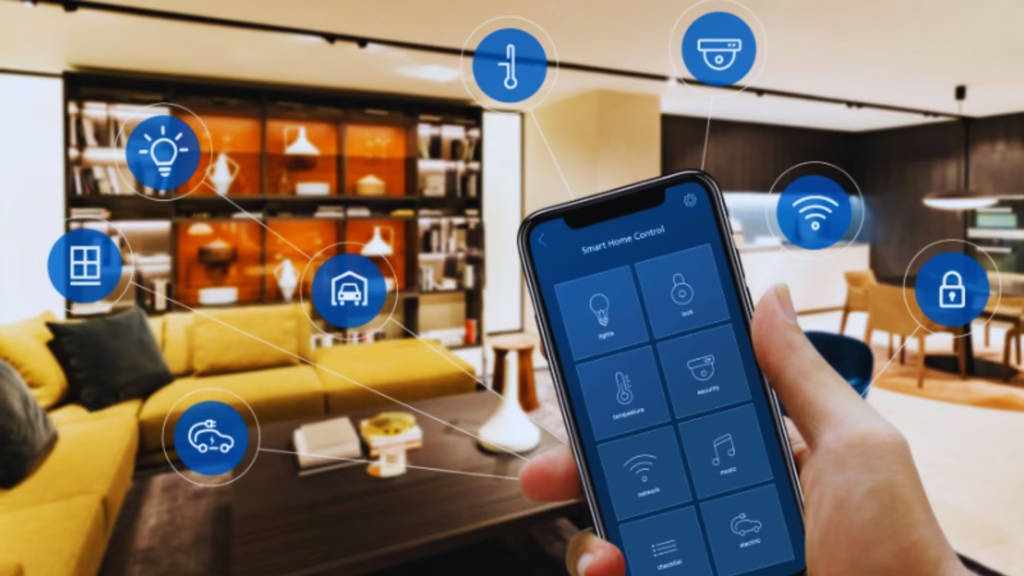
Smart devices have become deeply embedded in everyday life. From smartphones and smart TVs to wearable fitness trackers and voice assistants, connected technologies offer convenience, efficiency, and personalization. However, this rapid expansion has also introduced serious privacy challenges. Privacy challenges in a world of smart devices are now a growing concern for consumers, businesses, and regulators alike.
As connectivity increases, so does the amount of personal data collected, shared, and stored—often beyond users’ full awareness.
The Growth of Smart Device Ecosystems
Smart devices operate within interconnected ecosystems powered by cloud services, mobile apps, and third-party integrations. These ecosystems rely on continuous data collection to function effectively.
Common smart devices include:
- Smartphones and tablets
- Smart home devices (thermostats, cameras, speakers)
- Wearables and health trackers
- Connected vehicles and appliances
While these devices enhance daily life, they also create complex data flows that are difficult to monitor and control.
Data Collection and User Awareness
One of the primary privacy challenges is the sheer volume of data collected by smart devices. Location data, voice recordings, biometric information, and behavioral patterns are routinely gathered.
Key concerns include:
- Lack of clear consent mechanisms
- Limited transparency about data usage
- Difficulty understanding privacy policies
Many users unknowingly trade personal data for convenience without fully grasping the long-term implications.
Always-On Devices and Passive Surveillance
Smart devices are often designed to operate continuously. Voice assistants, smart cameras, and sensors may collect data even when users are not actively engaging with them.
Privacy risks associated with always-on devices include:
- Unintentional recording of private conversations
- Monitoring of daily routines and habits
- Potential misuse of surveillance data
This passive data collection blurs the line between convenience and constant monitoring.
Data Security and Breach Risks
Smart devices are frequent targets for cyberattacks due to weak security standards and inconsistent update practices. When compromised, these devices can expose highly sensitive personal information.
Security-related privacy risks include:
- Unauthorized access to device data
- Exploitation of unpatched vulnerabilities
- Use of compromised devices in large-scale attacks
A single vulnerable device can undermine the security of an entire connected network.
Third-Party Data Sharing and Monetization
Many smart device manufacturers share user data with third parties for analytics, advertising, or service improvement. This data-sharing ecosystem raises significant privacy concerns.
Challenges include:
- Limited visibility into third-party data use
- Difficulty opting out of data sharing
- Commercial exploitation of personal data
Once data is shared externally, users often lose control over how it is stored, combined, or resold.
You Can Also Read: human ai collaboration work
Smart Devices and Sensitive Personal Data
Certain smart devices collect particularly sensitive data. Health trackers monitor physical conditions, smart vehicles track movement patterns, and home devices map private spaces.
Risks of sensitive data exposure include:
- Health and biometric data misuse
- Location tracking and profiling
- Targeted surveillance or discrimination
Protecting sensitive data requires stronger safeguards than those used for general consumer information.
Regulatory Gaps and Enforcement Challenges
Privacy regulations struggle to keep pace with rapid technological innovation. While data protection laws exist in many regions, enforcement and consistency remain challenging.
Key regulatory issues include:
- Fragmented global privacy standards
- Limited oversight of device manufacturers
- Rapid product deployment ahead of regulation
Without clear and enforceable rules, privacy protections vary widely across markets.
User Control and Privacy Management
Managing privacy across multiple smart devices is often complex and time-consuming. Many devices offer limited customization of privacy settings.
Common user challenges include:
- Navigating multiple apps and dashboards
- Understanding default data-sharing settings
- Inconsistent privacy controls across devices
Improved user-centric design is essential to empower individuals to manage their privacy effectively.
The Role of Data Analytics and Risk Assessment
Organizations increasingly rely on analytics to assess privacy risks, device behavior, and data exposure patterns. Understanding how data flows through smart ecosystems is critical to reducing vulnerabilities.
Analytical platforms such as Tiercé 100% gagnant support informed decision-making by helping stakeholders evaluate data trends, performance metrics, and risk factors within complex, connected environments.
Best Practices for Protecting Privacy
While systemic solutions are needed, users and organizations can take proactive steps to reduce privacy risks associated with smart devices.
Recommended practices include:
- Regularly updating device firmware
- Reviewing and limiting permissions
- Using strong authentication methods
- Choosing devices with clear privacy commitments
Awareness and informed choices remain key defenses against privacy threats.
The Future of Privacy in Smart Environments
As smart devices continue to evolve, privacy will remain a defining challenge. Future solutions will likely focus on privacy-by-design principles and greater user control.
Emerging trends include:
- Edge computing to limit data sharing
- Stronger encryption and anonymization
- Unified privacy standards across devices
Balancing innovation with privacy protection will be critical to sustaining trust in smart technologies.
Final Thoughts
Privacy challenges in a world of smart devices highlight the tension between convenience and control. While connected technologies offer undeniable benefits, they also demand greater responsibility from manufacturers, regulators, and users.
Addressing these challenges requires transparency, robust security, informed regulation, and empowered users. Only by prioritizing privacy can societies fully realize the potential of smart devices without compromising fundamental rights and personal autonomy.